Women want to be toned, men want to be ripped. Working out has visual benefits and it can also result in satisfying increases in strength. But according to a new study, people do not need to engage in intense workouts to build muscle, nor do they need to endure post-exercise muscle soreness.
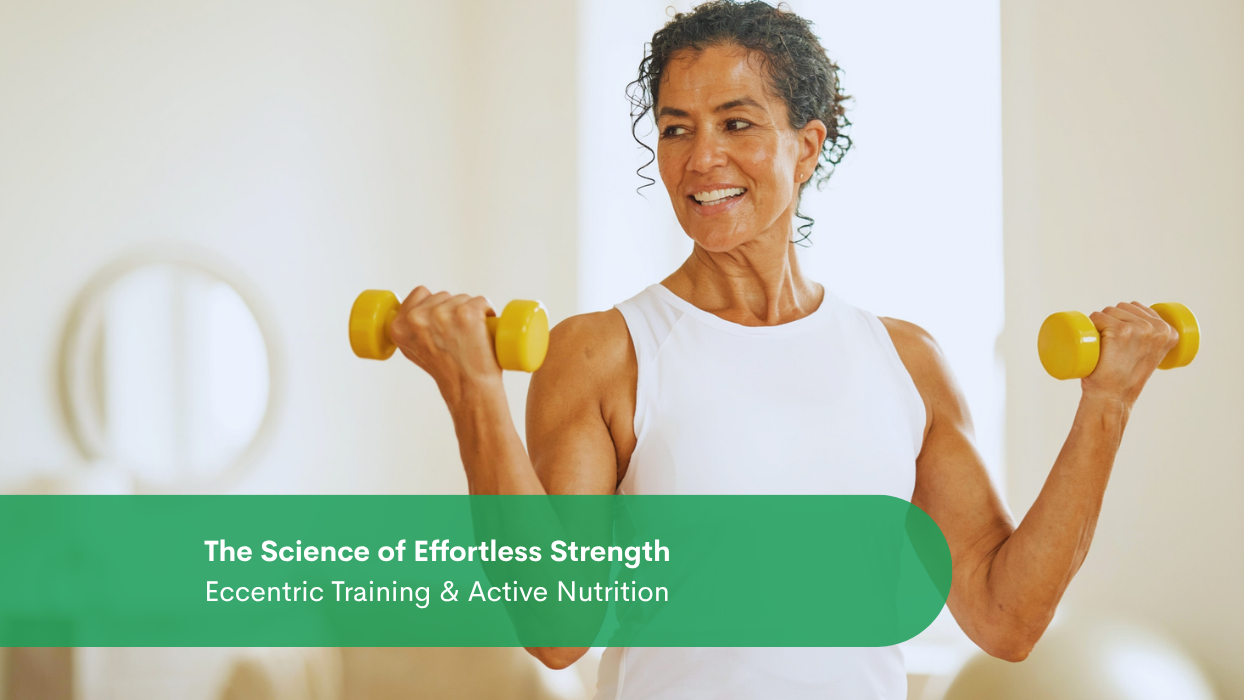
In the study, the team found that slow, controlled “lowering” movements can boost strength more efficiently while requiring less effort. Chair squats and wall pushups, for example, can make a difference in strength and enhance muscle health. Engaging in this type of exercise for even five minutes a day offers a more convenient way for many people to become stronger, and they can do it at home.
“The idea that exercise must be exhausting or painful is holding people back,” stated researcher Professor Ken Nosaka, Director of Exercise and Sports Science at Edith Cowan University. “Instead, we should be focusing on eccentric exercises, which can deliver stronger results with far less effort than traditional exercise and you don’t even need a gym!”
It’s all about the lowering (or eccentric contraction) phase of a repetition, which is known as eccentric exercise. This term describes the physiological phase during which muscles lengthen rather than shorten. According to the researchers, muscles can produce greater force during these lengthening movements while using less energy than during lifting, pulling, or climbing. They write, “Eccentric contractions are distinguished by their ability to generate greater (>20%) force than concentric or isometric contractions, while requiring less metabolic cost.”
Eccentric contractions do not require as much force output or oxygen consumption compared with concentric exercise performed at the same workload, which means this form of exercise is less fatigue-inducing. However, one study showed that eccentric cycling required greater cognitive effort, demanding more attention and control.
Dr. Shefali Thanawala, AVP MSRD, Nutriventia emphasizes,, “As the pursuit of longevity and optimal health gains momentum, physical fitness and independence have become the fundamental pillars of lifelong well-being. Skeletal muscle strength is a key determinant of healthy aging, physical performance, functional independence, metabolic health, and long-term quality of life.”
Augmenting Eccentric Exercise
New research on two ingredients : a herb and a probiotic suggest that they may augment both eccentric and concentric exercise by improving strength and endurance.
Ashwagandha, long known and clinically proven to reduce stress and promote relaxation, now has a new application, active nutrition. In a recent study, 83 healthy adults aged 32 to 50 were supplemented with Ashwanova®(also known as Prolanza®) sustained-release ashwagandha root extract or placebo for 90 days.
The outcomes evaluated included changes from baseline to the end of the study in one-repetition maximum (1-RM) bench press, maximal oxygen uptake during exertion (VO2max), serum testosterone, creatine kinase (CK) and lactate dehydrogenase (LDH) concentrations, and quality of life (QoL) assessed using the SF-12 questionnaire.
The participants engaged in a structured and progressive resistance training program targeting muscle groups in the upper and lower body.
Overall, the results showed that sustained-release ashwagandha root extract (Ashwanova), at a once-daily dose of 300 mg, significantly improved muscle strength and cardiorespiratory endurance by 2.1-fold and 1.5-fold, respectively, compared to placebo. These effects were observed in the supplement group as early as day 30.
Ashwanova demonstrated statistically significant improvements in total testosterone (+38.47%), free testosterone (+51.01%), and bioavailable testosterone (+52.42%) in men over 90 days compared with baseline, while the placebo group showed no meaningful changes. These findings suggest that Ashwanova may support healthy hormonal balance during strength training.
Another benefit of Ashwanova supplementation was the improvement in the quality of life and mood. Participants in the Ashwanova group demonstrated significantly greater improvements in physical functioning (3.74-fold) and mental/emotional well-being (2.65-fold) compared with the placebo.
In another study involving humans and mice, researchers investigated whether a species of gut bacteria is associated with muscle strength. They analyzed stool samples from 90 healthy young adults (18-25 years old) and 33 older adults (65+) to identify different gut bacteria. They focused on Roseburia inulinivorans, which they believe may help build stronger muscles. Physical fitness was measured using hand grip strength, leg press and bench press performance, along with VO2 max.
Older adults with R. inulinivorans had 29% greater handgrip strength, while mice administered R. inulinivorans gained approximately 30% more grip strength and developed larger, more fast-twitch muscle fibers. In younger adults, higher levels of R inulinivorans were associated with greater handgrip strength and higher VO2 max. A greater relative abundance of both R inulinivorans and R intestinalis was also associated with better performance on the leg press and bench press.
The researchers concluded that R inulinivorans can alter metabolic activity within muscle and increase the proportion of fast-twitch (type II) muscle fibers, which are important for short bursts of intense activity such as sprinting and weightlifting.
Improving Post-Exercise Muscle Recovery
Muscle soreness can temporarily limit physical activity, whether it affects the core, arms or legs. Known as delayed onset muscle soreness (DOMS), this temporary condition usually is felt the day after exercising for the first time or changing up fitness routine by adding weight or working another muscle group.
Turmeric (or curcumin) is one of the herbs used to manage inflammation. It works by suppressing inflammatory enzymes such as cyclooxygenase-2 (COX-2) and 5-lipoxygenase (5-LOX), as well as downregulating pro-inflammatory cytokines such as interleukin-1β (IL-1β) and tumor necrosis factor-α (TNF-α). These actions contribute to reduced muscle inflammation and oxidative stress, thereby supporting muscle recovery and overall musculoskeletal health.
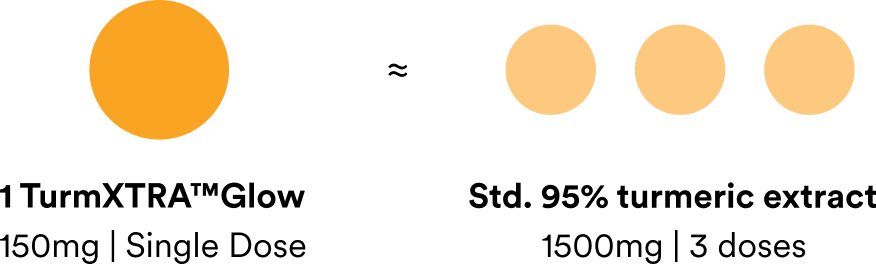
TurmXTRA® active, a water-dispersible turmeric extract standardized to 60% natural curcuminoids, delivers sustained plasma levels of free curcumin over 24 hours with just a single, low dose. This pharmacokinetic profile supports prolonged exposure in the body, potentially aiding recovery, muscle resilience, and overall performance without requiring high doses.
In a study, participants who supplemented with TurmXTRA active reported significantly less pain after eccentric exercise compared to the placebo group. Additionally, serum lactate dehydrogenase (LDH) levels, a marker of muscle damage, were significantly lower in the TurmXTRA active group, indicating reduced muscle damage and potentially enhanced recovery.
Conclusion
Vibrant longevity is characterized by freedom of movement and the ability to maintain strength. Adults seeking to preserve muscle strength and cardiorespiratory fitness have a range of exercise and nutraceutical options to consider.
Reviewed by Sneha Sawant Desai, PhD